Finding the hidden difference in this visual puzzle is harder than it looks. Test your observation skills and see if you can solve it in 5 seconds!
The Ultimate Visual Challenge: Are You Part of the Top 1%?
Visual puzzles and brain teasers have taken the digital world by storm, and for a good reason. They aren’t just a fun way to kill time; they are a rigorous workout for your brain. Today, we present a “Spot the Difference” challenge featuring four ringing bells. At first glance, they look identical. However, one of them possesses a subtle anomaly that only a keen eye can detect under pressure.
Why Visual Puzzles Matter
In an era of endless scrolling, our attention spans are often stretched thin. Engaging with puzzles like this helps improve:
-
Cognitive Flexibility: Your ability to switch between thinking about two different concepts.
-
Selective Attention: Training your brain to focus on specific details while ignoring irrelevant data.
-
Pattern Recognition: A fundamental skill used in mathematics, logic, and daily problem-solving.
Breakdown of the Challenge
Look closely at the image provided. You see four bells labeled A, B, C, and D. Each bell is ringing, indicated by the vibration lines on either side. Most people will scan the bells and assume they are perfect clones. But if you look at the “sound waves” or vibration marks, you’ll notice the discrepancy.
The Solution Revealed
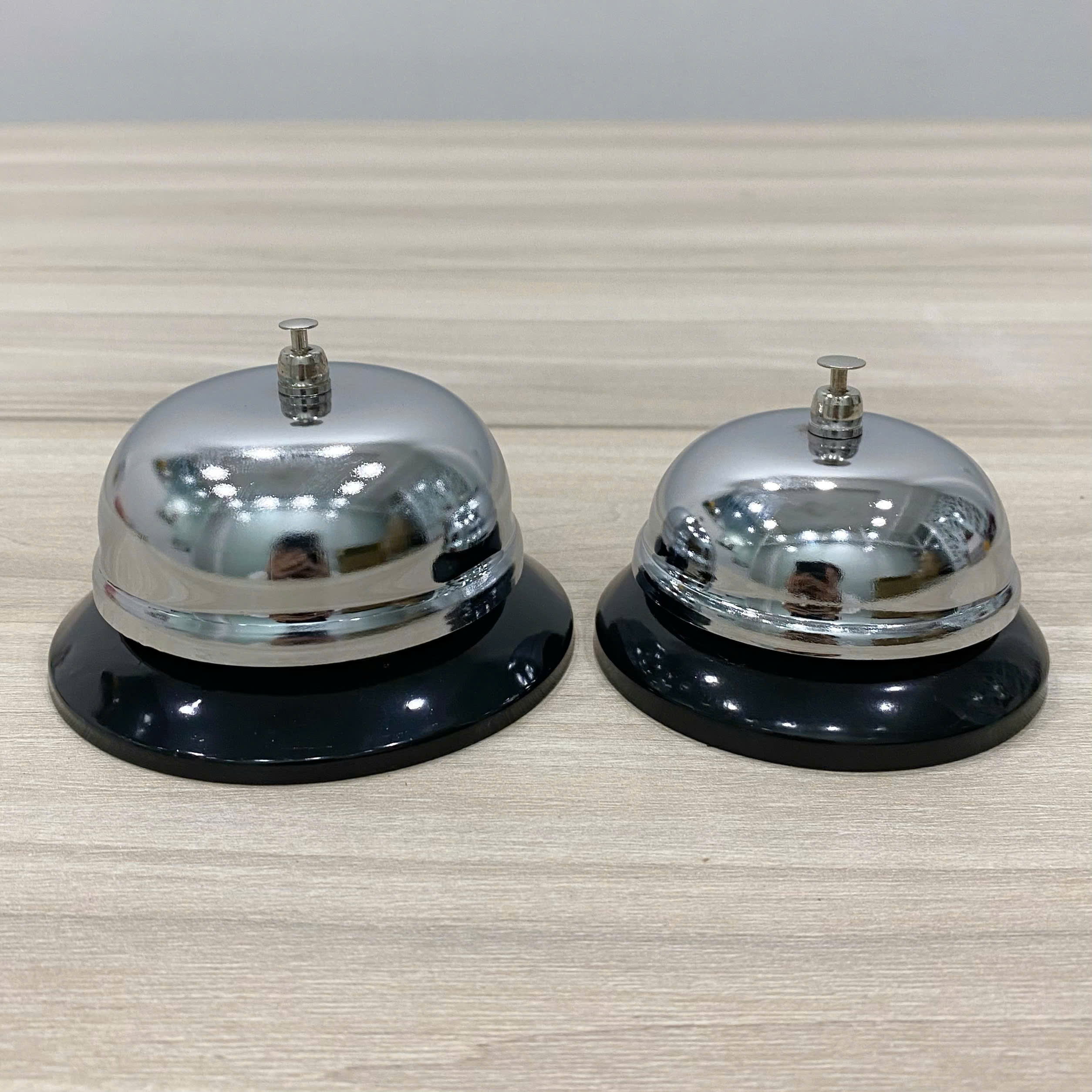
Did you find it? If you are still searching, focus your attention on Bell D.
-
Bell A, B, and C: Each of these bells has two vibration lines on the left and two vibration lines on the right.
-
Bell D: If you look closely at the left side of Bell D, there is only one vibration line.
The Verdict: Bell D is the odd one out because it is missing a vibration mark on the left side.
Tips to Improve Your Observation Skills
If you didn’t catch it within the 5-second window, don’t worry! Observation is a muscle that can be trained. Here is how you can sharpen your focus for the next challenge:
1. Scan Systematically
Instead of looking at the whole image at once, use a grid method. Look at the top-left, then top-right, then move downward. In this puzzle, comparing A to B and then C to D would have highlighted the missing line instantly.
2. Focus on Symmetry
Many visual puzzles rely on breaking symmetry. By checking if the left side of an object mirrors the right side, you can often spot “missing” elements or extra strokes in illustrations.
3. Practice Daily
Engaging with “hidden object” games or “find the difference” tasks for just five minutes a day can significantly boost your mental processing speed.
Fun Facts About Brain Teasers
| Fact Category | Detail |
| Brain Activity | Solving puzzles releases dopamine, the “reward” chemical in the brain. |
| Mental Age | Regular mental stimulation can keep your brain “younger” by improving neuroplasticity. |
| Global Popularity | Visual puzzles are the most shared content type on social media platforms due to their interactive nature. |
Conclusion: Keep Testing Your Limits
Whether you found the difference in two seconds or twenty, the goal is to keep your mind active. These challenges serve as a reminder that the world is full of tiny details we often overlook. Sharing these puzzles with friends and family isn’t just about showing off your “genius” status—it’s about sparking a bit of fun and competition in our daily routines.
Ready for the next one? Stay tuned and keep your eyes peeled!
