You may have come across small glass tubes containing tiny metal balls, often seen in antique tool collections or vintage workshop kits. At first glance, they appear decorative, yet they served a precise and practical engineering function in history.
These glass tubes are actually components of specialized leveling instruments known as bullseye levels or machinist’s spirit levels. Unlike straight spirit levels with a single floating bubble, bullseye levels measure horizontal balance in multiple directions simultaneously.
The circular, compact design allowed craftsmen and machinists to verify that surfaces were perfectly level from every angle. This capability was particularly critical in precision mechanical work, where even minor deviations could impact the final outcome.
In older European and industrial tool designs, small steel balls often replaced the traditional liquid bubbles. These balls naturally rolled toward the lowest point, providing a clear visual cue to indicate exact horizontal alignment.
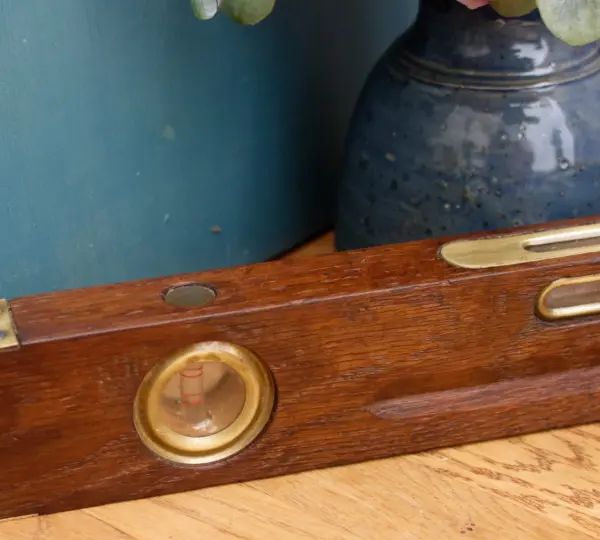
Ball-bearing designs proved advantageous in workshops or factories prone to vibration or movement. Unlike traditional liquid bubbles, which could be disturbed, the steel balls offered a more stable and readable indicator under such conditions.
Certain models included multiple balls inside the sealed tube to enhance accuracy. By comparing the positions of several balls, users could more precisely determine whether a surface was level, improving overall alignment confidence.
These ingenious tools highlight an era of engineering dominated by hands-on precision and physical principles rather than digital measurement devices. Their reliability depended on gravity, materials, and careful craftsmanship rather than electronics.
Glass tubes were often mounted in durable materials such as brass, wood, or cast iron. Housings were carefully designed to protect the tube while keeping it visible and accessible for frequent measurements in workshop settings.
Today, these small instruments are primarily found in antique shops, estate sales, or vintage tool collections. Enthusiasts prize them for both their historical significance and their demonstration of practical engineering ingenuity.
